Pressure Cleaning Before Painting: Steps for Better Results
A lasting exterior paint finish starts with a clean, sound surface. In Maroochydore, coastal salt, humidity, mould and windblown dirt can affect walls, fences and other outdoor surfaces. Pressure cleaning before painting helps remove contaminants that interfere with adhesion, but excessive pressure can damage the surface and force water into the building.
Why Cleaning Matters Before Painting
Paint needs to bond to the substrate, not to dirt, salt or loose, powdery paint residue known as chalking. Painting over contamination can contribute to peeling, blistering and uneven coverage. Cleaning also reveals cracks, damaged timber and failing coatings that need attention before primer or paint goes on.

Pressure cleaning does not replace scraping, sanding, repairs or priming. It is one part of surface preparation, and some materials need gentle washing rather than high-pressure equipment.
Steps for Effective Pre-Paint Cleaning
- Inspect the surface first. Identify the material, check the condition of existing paint and look for gaps, rot, loose render or damaged seals. Avoid pressure washing suspected asbestos-containing materials. Older coatings may contain lead and require assessment before disturbance.
- Protect the surrounding area. Close windows and doors, move outdoor furniture and protect nearby plants. Keep spray away from electrical fittings, meter boxes, vents and air-conditioning equipment. Plan how to contain wash water and paint debris.
- Choose a suitable cleaning method. Sound masonry may tolerate more pressure than timber, weatherboards or rendered finishes. Follow the substrate and coating manufacturers’ guidance, start with the gentlest effective setting and test an inconspicuous area.
- Treat contamination appropriately. Use a compatible exterior cleaner for dirt, grease or mould, following the label’s dilution, dwell-time and safety instructions. Never mix cleaning chemicals. Salt deposits generally need thorough fresh-water washing.
- Wash carefully and rinse thoroughly. Work in manageable sections and use a broad spray pattern. Avoid directing water upwards beneath cladding, into joints or around window seals. Rinse away cleaner and loosened residue before they dry.
- Allow drying, then finish preparation. Check for remaining chalking, loose paint and defects. Scrape, sand, repair and prime as required, following the paint system’s instructions. https://arthurniae246.juniperbrief.com/posts/is-pressure-cleaning-safe-for-exposed-aggregate-paving
How Long Should Surfaces Dry Before Painting?
Many exterior surfaces need at least 24–48 hours after washing, but this is only a planning guide. Porous masonry, timber, shaded walls and humid conditions can require considerably longer. A surface that feels dry may still hold moisture beneath it.
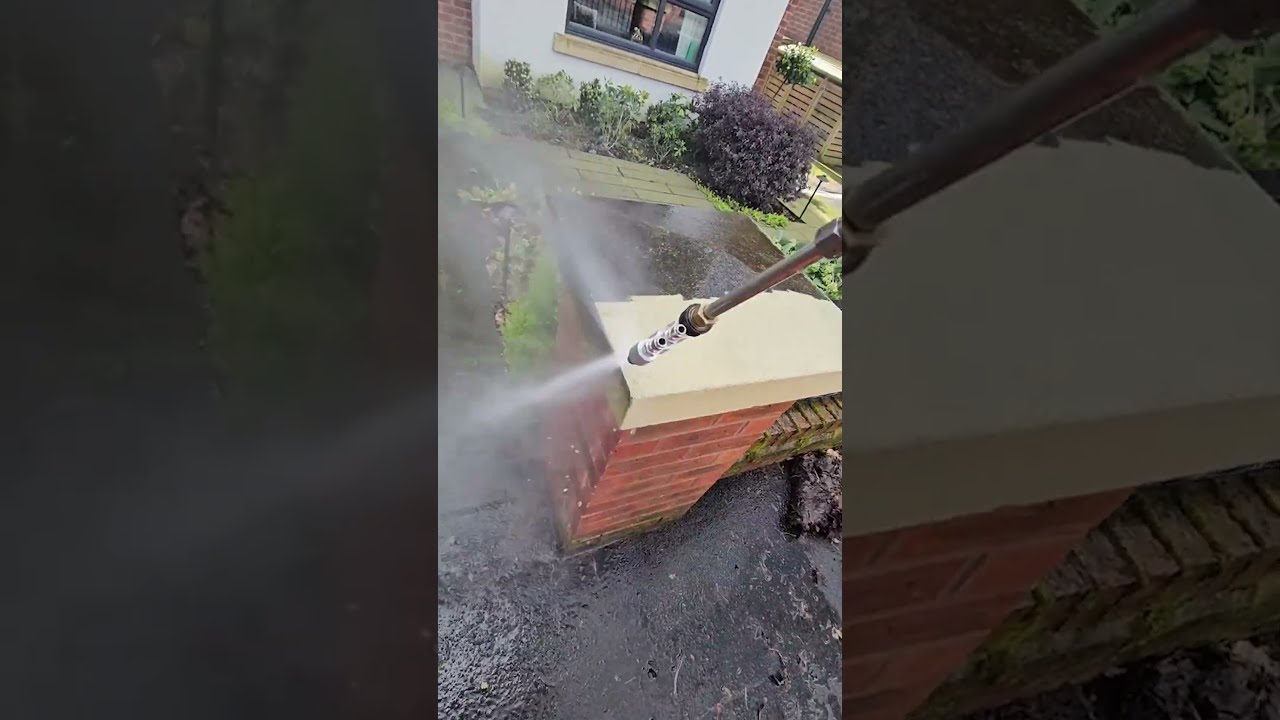
In Maroochydore, choose a settled weather window and allow extra time after rain or during humid periods. Follow the paint manufacturer’s moisture limits and application conditions. For timber or moisture-prone masonry, a suitable moisture meter helps assess readiness more reliably than appearance alone.
Manage Runoff and Surface Hazards
Do not allow detergent, paint flakes or contaminated wash water to enter stormwater drains. Check Sunshine Coast Council guidance for applicable runoff and waste-disposal requirements, and arrange suitable containment before starting. Suspected lead paint or asbestos requires specialist advice; high-pressure cleaning can spread hazardous material.
When to Use a Professional in Maroochydore
Professional help is worth considering for multi-storey homes, fragile coatings, difficult access or extensive mould. Ask the contractor how they select pressure settings, protect vulnerable areas, manage runoff and confirm drying before painting. The goal is a clean, stable and sufficiently dry surface, not simply the most powerful wash.
Maroochydore Pressure Cleaning